Oxygen, a gas essential to life, makes up approximately 21% of the air we breathe. Oxygen therapy is a temporary or long-term treatment that enriches inhaled air with oxygen to improve oxygen delivery throughout the body and support the function of all organs.
What Is Respiratory Failure?
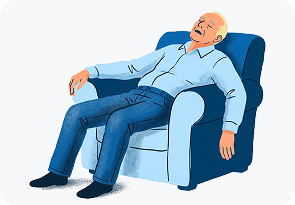
When the lungs can no longer exchange oxygen and carbon dioxide properly, symptoms may develop, including:
headaches,
severe fatigue,
shortness of breath (dyspnea), sometimes even at rest,
bluish discoloration of the lips or fingers (cyanosis).
These signs may occur suddenly (acute respiratory failure) or develop gradually (chronic respiratory failure) and require medical assessment.
Symptoms guide the physician, who confirms the diagnosis using several tests. These tests assess the severity of respiratory failure and help determine the most appropriate management.
Physical examination and medical history
Arterial blood gas analysis (arterial blood sample)
Oxygen therapy may be prescribed for a short or extended period depending on the condition, its stage, the patient’s age and lifestyle. The physician selects the most appropriate oxygen source and specifies:
the delivery method (type of device),
the oxygen flow rate,
the daily duration of use,
whether oxygen is requiredduring exertion.
Throughout your care, regular visits are carried out by a specialist respiratory support technician, who monitors the treatment, checks the equipment and replaces consumable items in coordination with the prescribing physician.
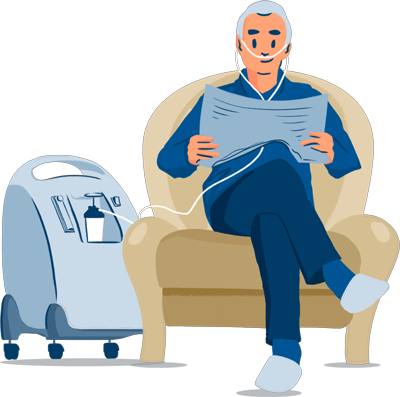
Oxygen therapy can help reduce fatigue, make everyday breathing easier, improve sleep and restore greater independence. When used as prescribed, it may also help reduce hospital admissions and ease the workload on the heart and other organs by providing sustained improvement in the body’s oxygen levels.
Several devices may be used depending on the severity of the condition and the patient’s needs. SOS Oxygène teams support each patient in selecting, installing and using the equipment safely.
Stationary oxygen concentrator: produces oxygen from ambient air for use at home
Portable oxygen concentrator: a smaller battery-powered unit for travel that can also run from mains power or a vehicle power outlet
Liquid oxygen: a stationary reservoir at home and a portable unit for use outside the home
Compressed oxygen cylinder: for occasional mobility or as a backup supply
How Does SOS Oxygène Support Patients Receiving Oxygen Therapy?
As a specialist in home respiratory care, SOS Oxygène supports patients who require oxygen therapy at every stage of their care.
Coordination with the Prescribing Physician
Equipment Installation and Safety Checks
Regular Visits to Adjust Treatment
Replacement of Consumable Items
Technical Support Available 24/7
Our Goal
To provide personalized care coordinated with your physician, helping ensure the safe use of your oxygen therapy device and optimize the effectiveness of your treatment every day.