
Grasse matinée : bonne ou mauvaise idée pour le sommeil et la santé ?
Equipment for Treating Sleep Apnea
Once CPAP has been prescribed, one question naturally arises: what equipment will I sleep with? At home, the system consists of a quiet machine, a suitable mask and breathing tubing. The equipment is supported by remote monitoring and regular visits from a specialist technician. This support helps ensure that treatment is comfortable, easy to use and, above all, effective in improving everyday life.
Reading progress
The CPAP Machine: Pressure Generator
The CPAP machine, also known as a pressure generator, is the heart of the treatment system. It produces pressurized air and delivers it to the mask according to personalized settings prescribed by your physician on the basis of your diagnosis.
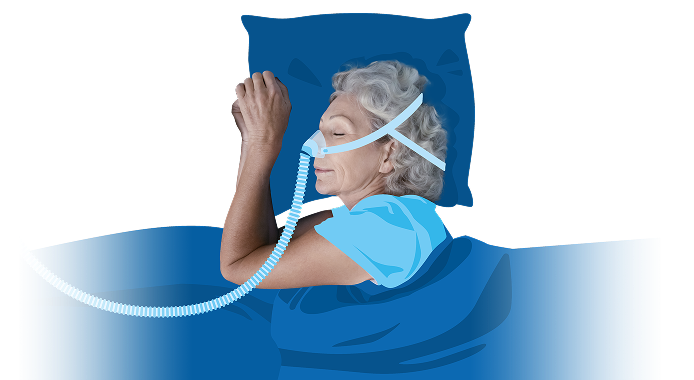
The machine is generally a compact unit that can easily be placed on a bedside table or other bedroom furniture. Flexible tubing connects the machine to the mask and carries the pressurized air. It operates quietly and discreetly, without disturbing your sleep or that of your partner.
For some patients, adding a heated humidifier can significantly improve comfort. It helps reduce nasal and/or oral dryness, a common adverse effect when starting CPAP, and can therefore improve tolerance and adherence.
Types of Machines Available
Two types of machine are available, depending on your specific needs:
- Fixed-Pressure CPAP — Delivers a steady, uniform pressure to keep the airway consistently open. It may suit patients who are less comfortable with pressure changes during the night.
- Auto-Adjusting CPAP — Automatically adapts in real time to your breathing needs. It often provides greater comfort because the machine detects breathing events and adjusts the pressure only when required.
The precise pressure settings are determined by your prescribing physician according to your diagnosis, the severity of your sleep apnea and your individual respiratory parameters. Your physician recommends the most suitable type of machine based on your tolerance and personal needs.
The Mask: Essential for Comfort and Effectiveness
The mask is an essential component of CPAP treatment. It ensures that pressurized air is delivered correctly and consistently to the airway. A mask suited to your facial features and preferences significantly improves night-time comfort and encourages regular treatment use, which determines long-term effectiveness.
Types of Masks Available
- Nasal mask : generally the first-line option; it covers only the nose and is particularly suitable for people who mainly breathe through their nose
- Oronasal (full-face) mask : generally a second-line option; it covers both the nose and mouth and is suitable for mouth breathers or people who experience significant leaks with a nasal mask
- Nasal pillows — a second-line mask with small cushions that sit directly at the nostrils, offering maximum freedom of movement and minimal bulk
Each model has specific benefits for different needs and preferences, as well as drawbacks that should be assessed with your physician and technician.
Mask Selection Criteria
The choice of mask depends on several factors:
- Your natural breathing pattern : do you mainly breathe through your nose or your mouth?
- Your facial features : some masks fit certain face shapes better than others
- Personal comfort : a good fit limits air leaks, reduces skin irritation and improves treatment effectiveness
If you remain uncomfortable after a few nights, the mask should be adjusted or changed. The first few weeks are an adjustment period, and finding the most comfortable option supports long-term treatment adherence.
Breathing Circuit and Consumables: Regular Maintenance
In addition to the machine and mask, a complete CPAP system includes several important components:
- Tubing — The flexible tube connecting the machine to the mask and carrying pressurized air
- Filters — Filter the air you breathe and help protect your respiratory system
- Humidifier and Water Chamber — Increase air humidity for greater comfort
All these components require appropriate regular maintenance for several essential reasons: to maintain good hygiene and prevent infection or contamination; to reduce nasal, oral and skin irritation; to preserve optimal machine performance and therapeutic effectiveness; and to extend the equipment’s service life.
Your home healthcare provider will explain the recommended replacement schedule for each consumable item, including the mask, tubing, filters and water chamber. Replacement is generally required every 3 to 6 months or longer, depending on use and the type of accessory.
Remote Monitoring: Follow-Up from a Distance
Remote monitoring allows your CPAP treatment to be followed without requiring travel for every appointment. The machine automatically sends secure data to your home healthcare provider and prescribing physician. These data include usage duration, the number of residual apneas, mask leaks and treatment effectiveness.
This monitoring allows the care team to identify problems quickly, adjust settings and offer solutions before difficulties worsen. Ongoing follow-up supports the progressive optimization of your treatment.
Respiratory Technician: Personalized Support
Medical equipment is important, but high-quality human support is equally crucial to treatment success. During home visits, the respiratory technician provides personalized assistance: discussing how you feel, checking that the machine is working correctly, assessing mask fit, performing regular equipment maintenance and reviewing simple procedures such as fitting the mask, cleaning and routine care.
These visits reassure patients, answer questions and strengthen motivation for long-term adherence. High-quality support helps make CPAP a natural part of your daily routine.
Cardiovascular Protection: What We Know
Untreated sleep apnea repeatedly strains the cardiovascular system through drops in oxygen levels, temporary rises in blood pressure and increases in heart rate. According to clinical evidence and recommendations from the French National Authority for Health (HAS), these repeated events are associated with a higher long-term risk of high blood pressure and heart rhythm disorders.
When CPAP is used regularly (at least 4 hours per night), it reduces apneas and drops in oxygen levels during sleep. As a result, the heart is exposed less often to sudden night-time stress responses, which may reduce cardiovascular strain. In patients with known heart disease, CPAP may contribute to greater stability as part of ongoing medical care.
Important: cardiovascular benefits depend on regular adherence. Intermittent or insufficient use (less than 3–4 hours per night) does not provide the same protection. Only your physician can assess the risks specific to your clinical situation and the expected benefits of treatment.
The aim is to make CPAP a simple, natural part of your bedtime routine so that you can regain deep, restful sleep. According to recommendations from the French National Authority for Health (HAS) and the French-Speaking Respiratory Society, good adherence to CPAP may help limit certain cardiovascular risks associated with untreated sleep apnea. Long-term benefits depend largely on regular treatment use.
Common Mistakes to Avoid with Your CPAP Equipment
To maximize treatment effectiveness, avoid these common pitfalls:
- Adjusting the pressure yourself without medical advice : this can reduce or eliminate treatment effectiveness
- Neglecting daily mask cleaning : this can cause skin irritation and infection and increase air leaks
- Not using the humidifier during the first few days of adjustment : this can worsen nasal discomfort
- Stopping treatment before 2–3 weeks : proper adjustment takes time
- Skipping technician follow-up visits : regular adjustments are crucial for adherence
Next Steps
Once your CPAP equipment is in place and you have completed the initial adjustment period, you will be able to assess the tangible benefits of treatment for your sleep and everyday life. Discover the tangible benefits of CPAP treatment for your energy levels, alertness and overall health.
Official and Scientific Resources
- HAS – Continuous positive airway pressure medical devices for the management of OSAHS
- Ameli – Living with sleep apnea
This content is provided for information only and is not a substitute for medical advice. Consult your specialist physician to discuss your CPAP equipment and home follow-up.
Contents
FAQ
Is a CPAP machine noisy?
Modern CPAP machines are designed to operate very quietly. After a few nights of adjustment, most patients and their partners are no longer disturbed by the noise.
Will I have to keep the same mask permanently?
No. The mask can be changed or adjusted if necessary because of discomfort, leaks or pressure marks. Your home healthcare provider can offer different models and sizes to find the most comfortable option.
How should I maintain my CPAP equipment?
The respiratory technician will show you the maintenance procedures: regular cleaning of the mask and tubing, filter replacement, and filling and emptying the humidifier if you use one. These steps are quick and simple once they become part of your routine.
What should I do if I have a problem with my machine or mask?
If you experience a problem such as a malfunction, discomfort, an air leak or unusual noise, contact your home healthcare provider promptly. Assistance is available and, if necessary, a respiratory technician will visit your home.


