
Grasse matinée : bonne ou mauvaise idée pour le sommeil et la santé ?
Benefits of CPAP Treatment
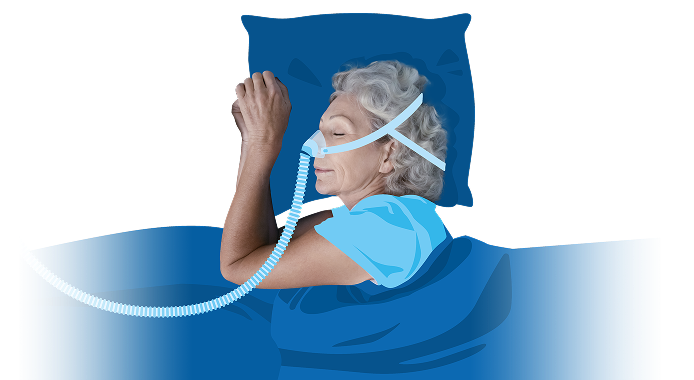
Continuous Positive Airway Pressure (CPAP) remains the first-line treatment for moderate to severe sleep apnea. Although wearing a mask may feel daunting at first, improvements in energy and mood can be striking, sometimes from the very first nights. By keeping the airway open, the device prevents breathing pauses and micro-arousals. Sleep becomes deeper, more continuous and truly restorative, producing lasting improvements in quality of life.
Reading progress
Night-Time Benefits: Restful Sleep Again
From the first nights of regular, correct use, many patients notice clear, positive changes in sleep quality. CPAP virtually eliminates apneas and hypopneas during sleep, preventing the breathing interruptions that cause oxygen levels to fall.
A marked reduction in snoring is often noticed quickly and welcomed by partners and family members. This immediate improvement can provide early motivation to continue treatment.
Improved Sleep Continuity
CPAP significantly improves sleep architecture by creating stable breathing conditions. Sleep becomes deeper and more continuous, with a marked reduction in fragmented night-time awakenings.
The absence of apnea-related micro-arousals allows you to progress more naturally through the different sleep stages. Many patients describe finally experiencing ‘real sleep’ again: falling asleep feels calmer and more natural, while waking in the morning is noticeably more refreshing.
Daytime Benefits: Energy, Alertness and Concentration
When CPAP effectively prevents sleep apnea events during the night, the benefits naturally extend throughout the day. You may notice:
- More energy on waking and sustained vitality throughout the day, without the usual fatigue
- Improved alertness particularly while driving, at work or during meetings
- A marked reduction in daytime sleepiness eliminating disabling episodes of drowsiness
- Improved concentration and memory, with clearer, more responsive thinking
- Emotional benefits : reduced irritability, nervousness and mood swings
- Relief from morning headaches, which are often linked to repeated drops in oxygen levels
These improvements can make your professional, personal and social life considerably easier.
Long-Term Cardiovascular Benefits
Beyond its immediate, noticeable effects, CPAP offers important longer-term benefits for overall health. Untreated sleep apnea repeatedly strains the cardiovascular system through drops in oxygen levels, rises in blood pressure and increases in heart rate.
Over time, these repeated events increase the risk of high blood pressure, heart rhythm disorders (arrhythmias) and other serious cardiovascular complications. Good adherence to CPAP limits repeated exposure to the cardiovascular stress caused by untreated apnea.
Consistent treatment may help reduce certain long-term risks, including high blood pressure and some heart rhythm disorders. Protecting the cardiovascular system is a major benefit for future health and longevity.
Adherence: The Key to Obtaining the Benefits
To experience and maintain all these benefits, CPAP must be used regularly and for a sufficient length of time. At least 4 hours per night is generally recommended, although using it throughout your entire sleep period provides the greatest protection.
Treatment adherence is the determining factor in its success. Without regular, consistent use, even the best equipment cannot deliver its therapeutic effect. Regular follow-up, therapeutic education and high-quality support are therefore important for maintaining motivation and long-term adherence.
Many patients treated with CPAP report a significant improvement in symptoms when they adhere to treatment correctly. Clinical studies show that CPAP reduces sleepiness and sleep apnea symptoms and improves quality of life after several months of regular treatment, particularly in patients who use it for at least 4 hours per night.
Transforming Quality of Life
After the initial adjustment period, usually 2 to 4 weeks, many patients describe remarkable changes that have a profound impact on daily life. Patients frequently report feeling as though they are ‘living again’ once their sleep becomes genuinely restful and restorative.
- No more unintentional dozing — No more inconveniently falling asleep in front of the television, at the cinema or on public transport
- Improved family and professional relationships — Calmer, more enjoyable relationships, with less fatigue and irritability
- Resuming professional and social activities — Activities become more effective and fulfilling, supporting better social participation
- Restored self-confidence — You feel able to face situations you previously dreaded, such as long drives, meetings or travel
- Personalized support for your daily routine — Device settings, mask selection and regular remote monitoring help make CPAP a beneficial habit
High-quality support can transform CPAP from a perceived burden into a simple, beneficial habit that fits naturally into everyday life.
Long-Term Cardiovascular Protection
Beyond the immediate, noticeable benefits, CPAP provides important longer-term protection for the cardiovascular system. Untreated sleep apnea repeatedly strains the heart: each apnea causes a rapid drop in oxygen followed by a sudden increase in heart rate when breathing resumes. Over time, this repeated stress can damage cardiovascular health.
Good adherence to CPAP helps protect the heart by eliminating these repeated cycles of stress. It may reduce the long-term risk of high blood pressure, cardiac arrhythmias and heart failure. In patients who already have heart disease, CPAP may help stabilize the condition and limit further deterioration.
Common Mistakes: Why You May Not Obtain the Full Benefits of CPAP
Many patients do not obtain the full benefits of CPAP. Common mistakes to avoid include:
- Insufficient use: Using CPAP for less than 4 hours per night reduces its effectiveness. Minimum target: 4 hours; ideal target: 6–8 hours
- Stopping too soon: Stopping after 2–3 weeks, before completing the adjustment period
- Overlooking gradual improvements: Benefits may take 3–4 weeks to become clearly noticeable
- Expecting a dramatic improvement after the first night: Unrealistic expectations can discourage patients
- Neglecting sleep hygiene: Good sleep hygiene can significantly enhance the benefits of CPAP
Practical tip: Keep a diary for 4 weeks and record your observations, including fatigue, energy, concentration and headaches. This will help you see the gradual improvement. The record can also help your physician adapt your treatment and provide more effective follow-up.
Next Steps
Once you understand the benefits of CPAP and feel more motivated, the next step is to become familiar with your equipment so that you can optimize treatment effectiveness. Find out how to choose and use equipment for treating sleep apnea.
Official and Scientific Resources
- HAS – Sleep apnea: definition, diagnosis and management
- Ameli – Sleep apnea: definition, symptoms and complications
This content is provided for information only and is not a substitute for medical advice. Consult your specialist physician to discuss the benefits of treatment and how it should be adapted to your individual situation.
Contents
FAQ
How long will it take before I notice the effects of CPAP?
This varies from person to person. Some patients notice less sleepiness and better sleep from the first few nights, while others need several weeks. One thing is certain: the more consistently CPAP is used, the more clearly its benefits become apparent.
Will CPAP completely eliminate my snoring?
In most cases, CPAP eliminates or greatly reduces snoring by keeping the airway open during sleep. If snoring persists, speak with your physician or home healthcare provider so that the settings and mask fit can be checked.
Does CPAP only improve fatigue, or does it also reduce health risks?
CPAP acts on two levels: it quickly improves fatigue and sleepiness, and over the longer term it may also help reduce certain cardiovascular risks associated with untreated sleep apnea. It is both a symptom-relieving and preventive treatment.
What should I do if I do not notice any improvement with CPAP?
If you use your machine regularly but do not notice any benefit, speak with your physician and home healthcare provider. Several factors can be checked, including mask fit, air leaks, pressure settings, actual nightly usage and other associated sleep disorders. Adjustments can often be made to optimize treatment.


