Sleep Apnea Syndrome

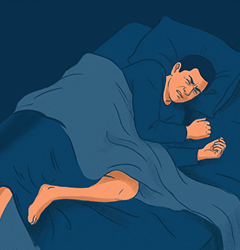
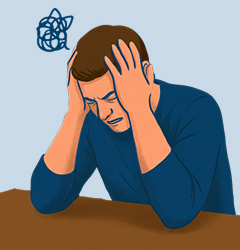
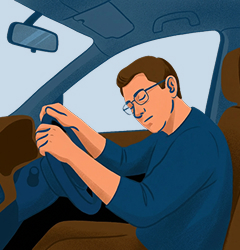
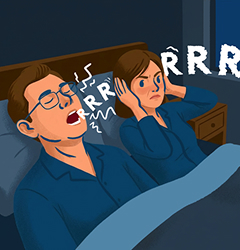
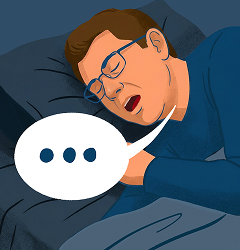
Obstructive Sleep Apnea-Hypopnea Syndrome (OSAHS) is a common sleep-related breathing disorder. It is characterized by repeated pauses in breathing during the night, often associated with snoring, non-restorative sleep and daytime sleepiness.

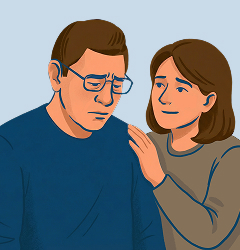
What are the symptoms of sleep apnea syndrome?

Using a validated questionnaire widely used by physicians

What is sleep apnea syndrome?

Obstructive Sleep Apnea-Hypopnea Syndrome (OSAHS) consists of recurrent episodes of:
 
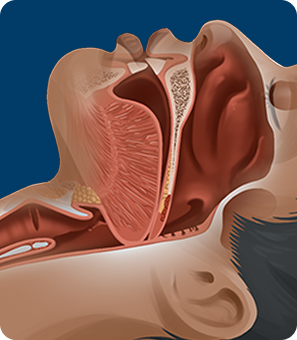
  • apneas, meaning complete interruptions of airflow, or 
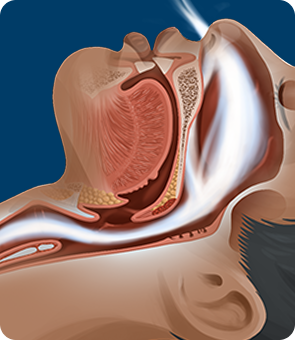
  • hypopneas, a significant reduction in ventilation caused by narrowing or obstruction of the upper airways.
These events cause repeated, sometimes unconscious, micro-arousals that fragment sleep and impair its quality. 
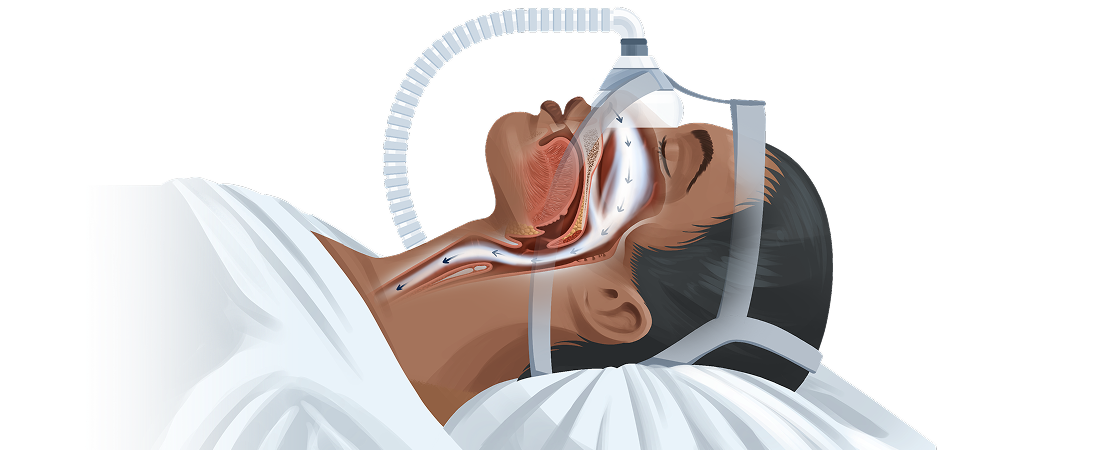
Illustration anatomique de profil montrant le passage de l'air libéré dans la gorge d'un patient endormi, grâce à l'effet de la pression positive continue.
Hypopneas
Illustration anatomique de profil d'un patient endormi montrant une obstruction des voies aériennes supérieures par la langue et le voile du palais.
Apneas

How is sleep apnea syndrome diagnosed?

The diagnosis of OSAHS involves two main stages

Illustration d'un professionnel de santé SOS Oxygène souriant, tendant un dossier médical pour l'accompagnement et le suivi du patient.

1: Medical consultation

The physician may recommend keeping a sleep diary for several weeks to document the difficulties.
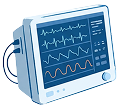
Illustration d'un moniteur médical affichant des courbes de constantes vitales et des signaux physiologiques pour le suivi du patient.

2: Sleep study

These tests measure the number of apneas and hypopneas, their duration and severity, and their effects on blood oxygen levels. 

They confirm the diagnosis of sleep apnea syndrome and guide treatment selection.

What treatments are available for sleep apnea syndrome?

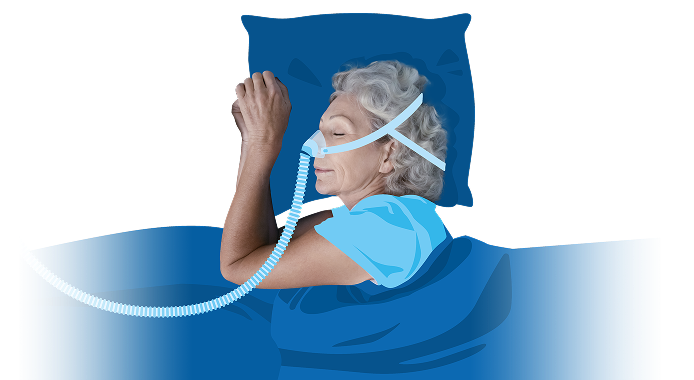
Continuous Positive Airway Pressure (CPAP) is the standard treatment, although other options include a mandibular advancement device and surgery.

Syndrome d’apnées du sommeil (SAHOS)

Treatment with
Pressure Positive Continuous

At least
4h per night

69%positive
responses

What are the benefits of good treatment adherence?

Over the longer term, CPAP therapy offers additional benefits, including improved alertness, mental well-being and physical condition. Daily use of the CPAP device helps patients reduce cardiovascular risks and the risk of other chronic conditions.

Illustration en style vectoriel d'une femme de dos faisant un geste de la main à un homme sortant d'une voiture, pour symboliser la mobilité et la vie active.

How does SOS Oxygène support patients receiving Continuous Positive Airway Pressure therapy?

As a specialist in home respiratory care, SOS Oxygène supports patients requiring CPAP therapy at every stage of their care pathway.
Icône médicale SOS Oxygène représentant un médecin avec un stéthoscope.

Coordination with the Prescribing Physician

Icône d'une main effectuant un clic, utilisée pour signaler une action utilisateur ou l'accès à un service en ligne sur le portail SOS Oxygène.

Equipment Installation and Safety Checks

Illustration d'un technicien SOS Oxygène assurant la mise en service d'un réservoir d'oxygène liquide et complétant le dossier de suivi patient.
Regular Visits to Adjust Treatment
Icône symbolisant le renouvellement automatique et régulier des consommables ou du matériel médical pour les patients SOS Oxygène.

Replacement of Consumable Items

Icône SOS Oxygène illustrant l'astreinte technique et le support client disponible 24h/24 et 7j/7, avec un casque audio et un engrenage.
Technical Support Available 24/7

Our Goal

To provide personalized support coordinated with your physician, ensuring safe use of your CPAP device and optimizing the effectiveness of your sleep apnea treatment in everyday life.